3 min read

You Don’t Need Traditional Foil to Create a Premium Metallic Look

You Don’t Need Traditional Foil to Create a Premium Metallic Look

A lot of people assume that if they choose digital print, they have to give up the more premium effects often associated with traditional offset and finishing methods.

Foiling is probably one of the best examples of that.


There is a common idea that if you want a metallic look, you need to commit to traditional foil stamping, and with that often comes the expectation of larger volumes, more setup, more restriction, and a higher price tag. Traditional foil has its place, and when the application and volume suit, it can be a great option.

But it is not the only way to achieve a premium metallic effect.

For many labels, stickers and packaging applications, especially in shorter to medium runs, a digital metallic process can create a result that is not only more accessible, but in many ways more creative and more individual.

That is where what we often refer to as mock foil comes in.


What we mean by mock foil

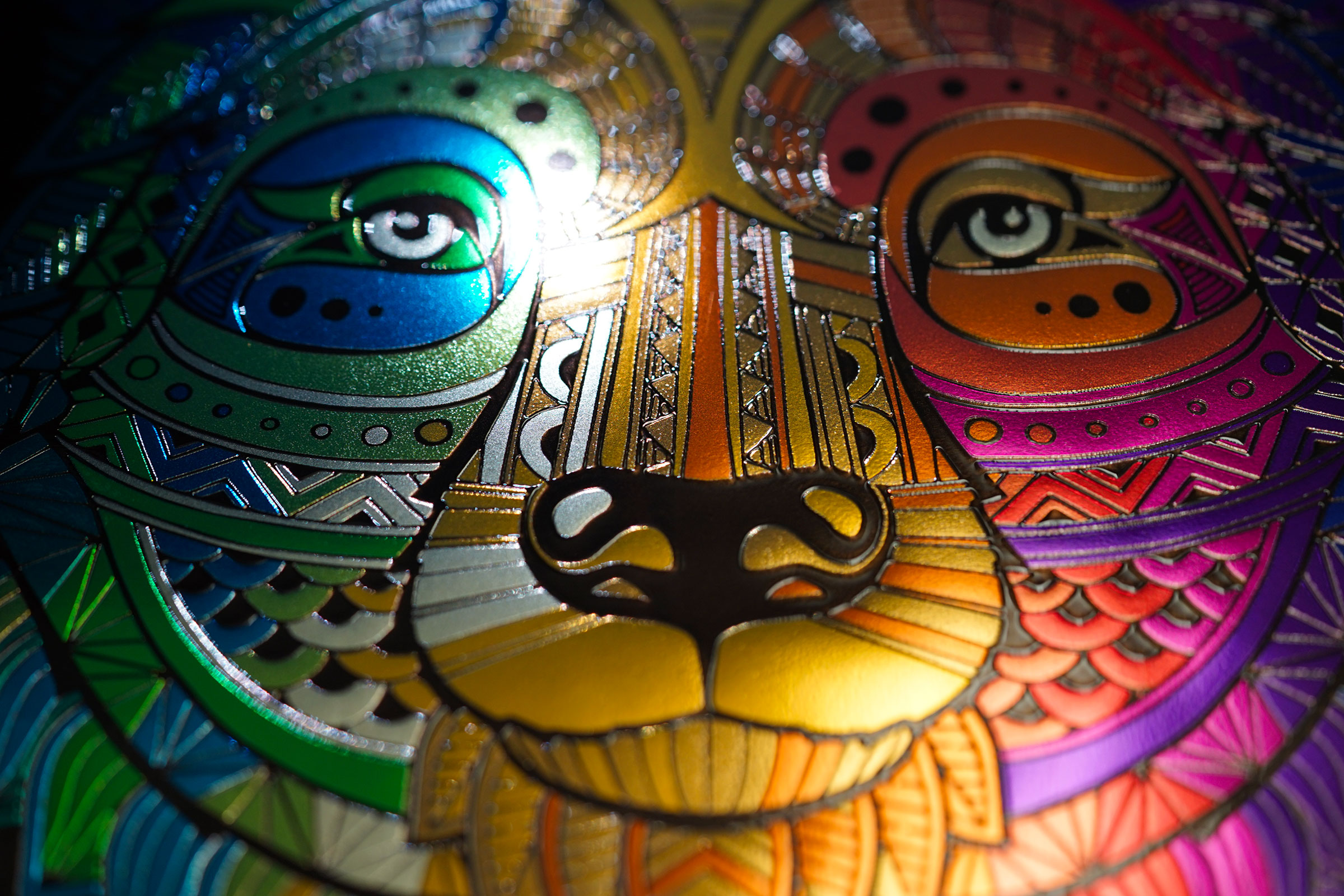
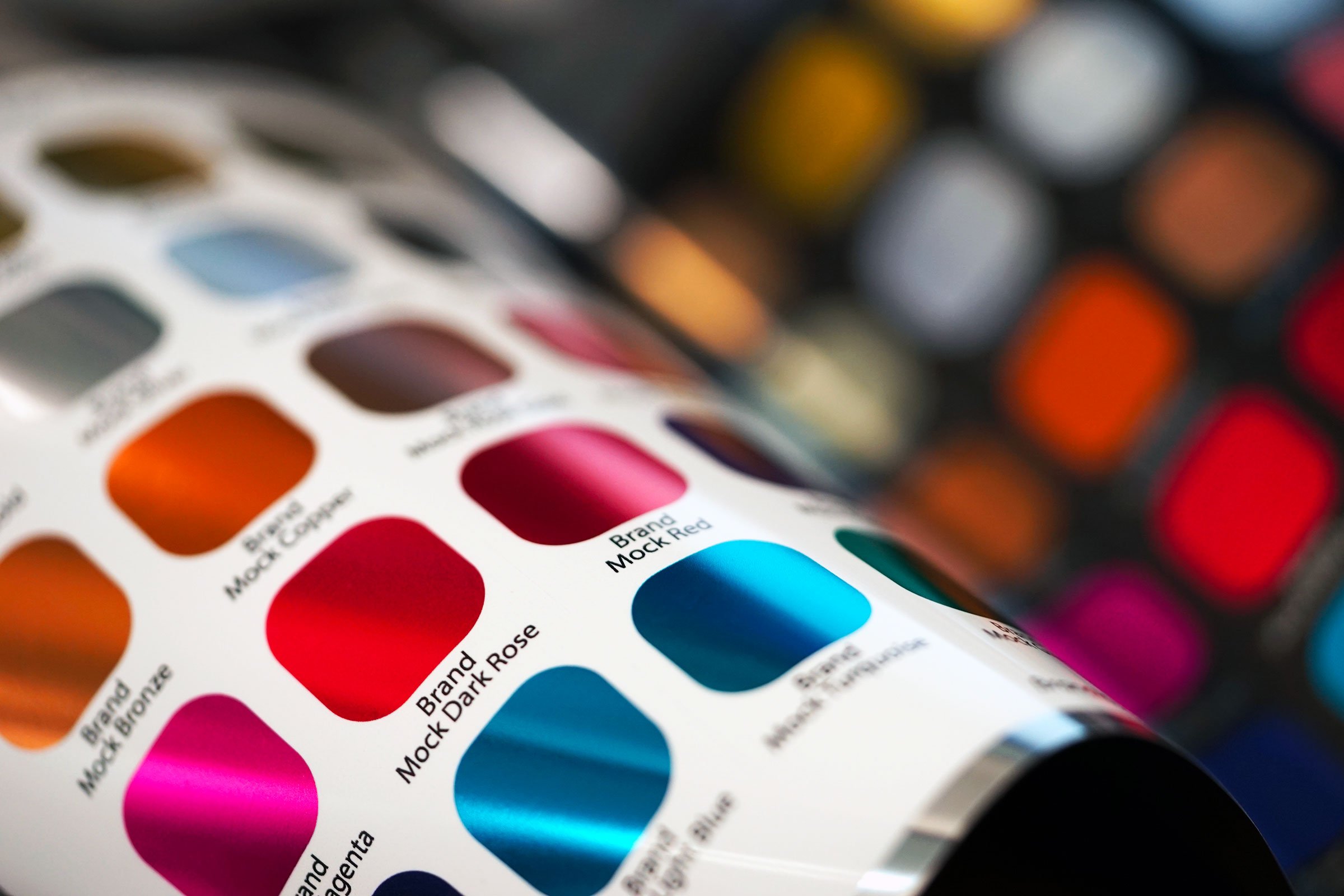
Mock foil is our way of describing a digitally printed metallic colour effect.

Put simply, instead of using a traditional foil-stamping process, we create a metallic look digitally. The result is a finish that still gives you visual impact, but with much more flexibility.


MockFoil-1


Why it can be the better option

One of the biggest advantages of mock foil is that it opens the door to premium-looking effects without automatically forcing the job into a traditional foil workflow.

That matters, because not every brand is printing in huge volumes, and not every job suits a fixed, tool-based process.

For businesses that need shorter runs, custom quantities, or simply a more flexible way to achieve a metallic finish, mock foil can be a very practical solution.

But the real advantage is not only flexibility in production. It is also creative freedom.

Traditional foil is tied to the colour of the foil itself. If you want a different metallic colour, a different foil will be needed, and in practical terms the process becomes more limited and often more expensive as complexity increases.

With digital mock foil, you are not boxed in the same way.

Because the metallic effect is created digitally, it becomes possible to create a much broader range of metallic tones, gradients and multi-coloured effects. Rather than being limited to one foil colour at a time, you can create far more variation within the same design.

That means the result is not just an alternative to traditional foil. In the right application, it can actually be the more creative option.


Is it the same as traditional foil?

No, and it is worth being honest about that.

If someone is looking for a very specific old-school foil-stamped finish, then traditional foil still has its place.

But if the goal is to create a premium metallic look in a way that is more flexible, more adaptable, and often more realistic for shorter to medium runs, digital mock foil deserves to be part of the conversation.

The better question is not whether it is identical to traditional foil.

The better question is whether it is the right solution for the job.

Very often, it is.

When mock foil makes a lot of sense

Mock foil is particularly useful when:

  • you want a metallic look without committing to traditional foil tooling
  • you need short to medium runs
  • your design includes gradients, multiple colours or fine detail
  • you want more creative freedom in how the metallic effect is used
  • you want something more individual, rather than being restricted by a more fixed foil process

A note for designers

If you are a designer and this process sounds interesting, keep an eye out for a future post where we will step through how to set files up to make the most of mock foil effect.

We will do that demonstration in Adobe Illustrator, and go into more detail about how to prepare artwork for this process.

If you would like to be notified when we post that, subscribe to notifications here.

Final thought

Choosing digital does not automatically mean missing out on premium effects.

In many cases, it simply means approaching them differently — and sometimes that different approach gives you more flexibility, more individuality, and more creative freedom than a traditional process would have allowed in the first place.

If you have been assuming a metallic look is out of reach because traditional foil feels too restrictive or too expensive, it may be worth looking at the digital alternative a little more closely.

Mahalia Coffee: When Pride in the Product Shows

1 min read

Mahalia Coffee: When Pride in the Product Shows

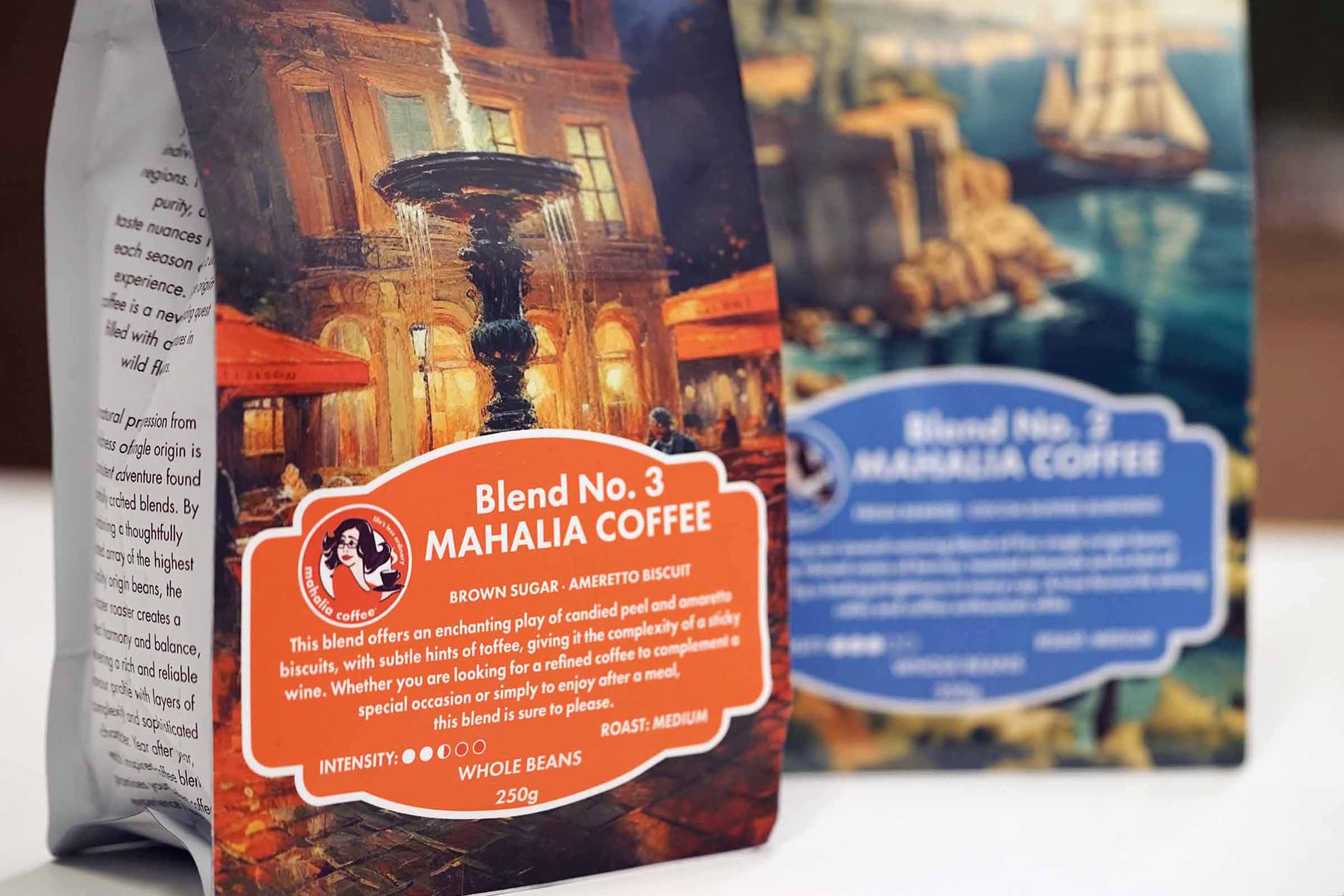
A thoughtful note, a few coffee samples, and labels finally seen in their intended place. Mahalia Coffee was a reminder of why we love what we do.
Read More
20 Years of Doing This One Thing Well

1 min read

20 Years of Doing This One Thing Well

As Brand Industry Services approaches 20 years in business, we look back on where we started, the people and clients who have been part of the...

Read More
Bringing It All Together

1 min read

Bringing It All Together

As our business has grown, we’ve realised that while the way we work makes sense to us, it may not always be as clear to everyone else.

Read More